
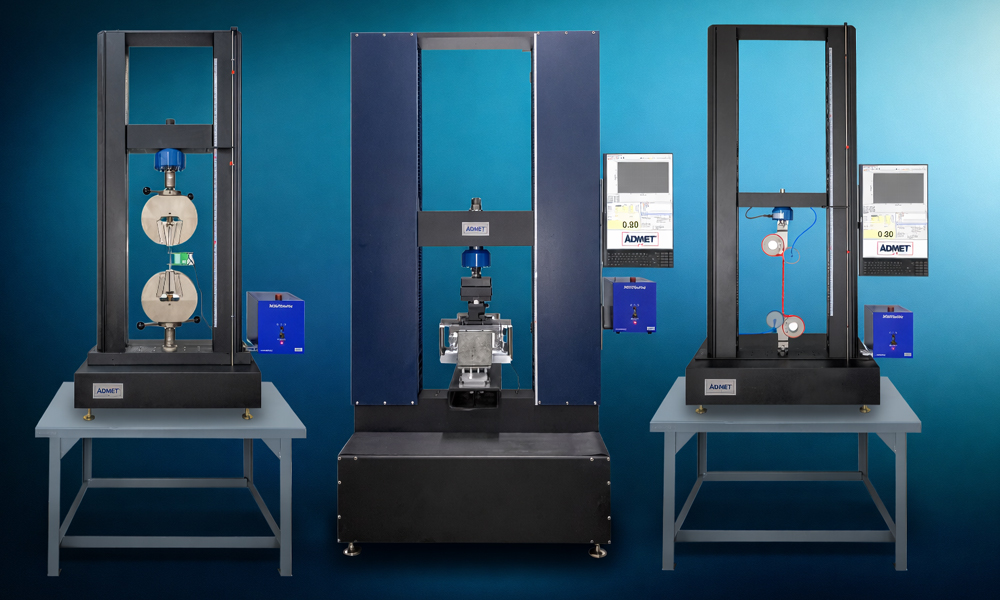
Different Types of UTM Machine: Single Column vs. Dual Column vs. Servo-Controlled
Universal Testing Machines (UTM) play a critical role in material testing across various industries, providing essential data on the mechanical properties of materials. As these machines come in different configurations, understanding the distinctions between single column, dual column, and servo-controlled UTMs is vital for selecting the right equipment for specific testing needs. Each type offers unique advantages and disadvantages, tailored for different applications ranging from tensile and compression testing to flexural and shear assessments. This article delves into the characteristics of each UTM type, highlighting their design, performance, and suitability for various testing scenarios, enabling informed decisions for engineers, researchers, and quality control professionals.
Overview of UTM Machines
Definition and Purpose
Universal Testing Machines (UTM) are the superheroes of the material testing world. They provide a standardized method for evaluating the mechanical properties of materials, such as tensile strength, compression resistance, and elongation. Simply put, they test how materials behave under various forces, which is crucial for engineers and manufacturers to ensure their products stand the test of time (and occasional supervillains).
Importance in Material Testing
Imagine trying to build a bridge without knowing how strong the materials are. Scary, right? UTM machines eliminate the guesswork by delivering precise results that help engineers make informed decisions. They help ensure product reliability, safety, and compliance with industry standards. Without UTMs, we might as well be tossing our materials into a black box and hoping for the best—definitely not a solid strategy for success!
Single Column UTM Machines
Design and Structure
Single Column UTM machines are the elegant swans of the testing world—sleek, graceful, and highly efficient. They typically feature a vertical single-column design that houses the testing mechanism, making them more compact and perfect for labs with limited space. With a small footprint, they can fit snugly into your testing environment without demanding a corner office.
Common Applications
These machines are widely used for testing various materials like plastics, thin metals, and textiles. Their versatility makes them ideal for laboratories, educational institutions, and even small manufacturing settings. If you need a reliable device to test the tensile strength of your new yoga pants or the elasticity of rubber bands, the single column UTM has got your back (and your stretchy materials).
Performance Characteristics
Single column UTMs are known for their precise measurements, ease of use, and efficient testing speed. They are generally available with various load capacities, making them adaptable to different material types. While they may not be the heavyweight champions in terms of capacity compared to their dual column cousins, they excel in scenarios where space and affordability are priorities.
Dual Column UTM Machines
Design and Structure
The dual column UTM machines are like the brawny bodybuilders of the testing scene, showcasing a robust design with two parallel columns. This structure provides enhanced stability and enables the machine to handle larger and heavier specimens. If you're looking for something that can stand its ground and take on major materials, this is your go-to.
Common Applications
Dual column UTMs are perfect for more demanding applications like testing metals, composites, and larger specimens where high forces are involved. Industries such as aerospace, automotive, and construction often rely on these machines to ensure their materials can weather the storms (and loads) they’ll face in the real world.
Performance Characteristics
With greater load capacities, dual column UTMs deliver higher performance in terms of speed and accuracy for larger specimens. They often feature advanced software for data analysis and provide more comprehensive insights into material behavior. If you need brute force testing without sacrificing finesse, this machine fits the bill!
Servo-Controlled UTM Machines
Mechanism and Operation
Servo-controlled UTM machines are the tech-savvy offspring of the UTM family, integrating cutting-edge technology with traditional testing methods. These machines utilize servo motors to control the load application, enabling precise adjustments in testing speed and force. With the ability to automate tests, they operate like a well-trained robot that knows how to deliver just the right amount of pressure at the right moment.
Benefits Over Traditional Machines
The benefits of servo-controlled UTMs are like the gourmet toppings on your favorite pizza—extra delicious! They offer improved accuracy, greater speed, and enhanced flexibility in testing protocols. Plus, with the ability to perform complex tests, these machines can adapt to varying load requirements without breaking a sweat. Who wouldn’t want a machine that makes testing feel like a walk in the park—or a ride in a luxury car?
Specific Use Cases
Servo-controlled UTMs shine in applications where precision is paramount, like in research institutions and high-tech industries. They’re perfect for innovative materials, fatigue testing, and any scenario where the tiniest variance can make a monumental difference. If you’re working with materials that demand finesse and precision, you’ll want a servo-controlled UTM on your team!
Key Differences Between Single and Dual Column Machines
Load Capacity and Range
Single column machines are typically designed for lighter loads, making them perfect for small-scale testing and materials that don’t think highly of their own weight. They often handle testing samples up to a few hundred pounds. On the other hand, dual column machines boast a more robust build, allowing them to tackle heavyweights like a bodybuilder lifting in a competition, with capacities often reaching thousands of pounds. So if you’re planning to test something that feels like it’s ready for a heavyweight championship, a dual column is your best bet.
Stability and Rigidity
When it comes to stability, dual column machines take the prize. With their sturdy structure, they’re less likely to wobble or sway during testing, making them as steady as your grandma’s hand when she’s knitting. Single column machines, while useful, can be a bit more sensitive to external forces and may require some extra care to ensure accurate results. If you need precision like a surgeon in an operating room, you might want to lean toward dual column tech.
Cost Considerations
Now, let’s talk about the wallet. Single column machines usually arrive with a friendlier price tag, making them the popular choice for startups and those testing on a budget. Dual column machines, while fancier and oh-so-capable, may stretch your budget thinner than a piece of taffy. However, the investment can pay off big time in terms of versatility and capability. So, if you're looking to squeeze a little more from your testing without breaking the bank, single column might just be your ticket.
Advantages and Disadvantages of Each Type
Single Column Advantages
1. Cost-Effective: Generally more affordable for smaller testing labs.
2. Space-Saving: Takes up less room, making it perfect for those cramped workspaces.
3. Simplicity: Easier to operate for basic tests with a straightforward design.
Single Column Disadvantages
1. Limited Load Capacity: Not suitable for heavy-duty tests.
2. Potential Stability Issues: Can be less rigid during testing.
3. Fewer Features: May lack advanced options found in dual column or servo-controlled machines.
Dual Column Advantages
1. High Load Capacity: Perfect for testing stronger materials and larger samples.
2. Increased Stability: Provides more accurate results thanks to its rigid structure.
3. Versatility: Capable of handling a variety of tests on different types of materials.
Dual Column Disadvantages
1. Higher Cost: A more significant investment may be necessary.
2. Larger Footprint: Requires more space in your lab.
3. Complexity: More features can mean a steeper learning curve for users.
Servo-Controlled Advantages
1. Precision: Offers high accuracy and control over the testing process.
2. Automation: Allows for automated testing which can save time and reduce human error.
3. Flexibility: Can perform a wide range of tests with programmable parameters.
Servo-Controlled Disadvantages
1. Costly: Typically the most expensive option due to advanced technology.
2. Maintenance: More moving parts may require regular upkeep and calibration.
3. Complex Setup: Installation and operation can be complicated for first-time users.
Applications and Use Cases
Industries Utilizing UTM Machines
UTM machines find their way into a variety of industries, from construction to aerospace, and yes, even the food industry (because why not test the tensile strength of spaghetti?). Material manufacturers, research institutions, and quality control labs all utilize these machines for performance evaluations and quality assurance.
Specific Testing Scenarios
You can find UTMs being used to test the tensile strength of metals in construction, the durability of polymers in automotive parts, or even the tear resistance of textiles. They also come in handy when testing the mechanical properties of concrete – because making sure your building doesn’t crumble is kind of important!
Conclusion and Recommendations
Summary of Key Points
In conclusion, single column machines are your budget-friendly, space-saving companions, perfect for light testing. Dual column machines offer robust capabilities for heavy-duty tasks, while servo-controlled machines provide precision and automation at a higher cost. Each option has its pros and cons, so it’s essential to match your machine to your needs.
Choosing the Right UTM Machine for Your Needs
When selecting a UTM machine, consider your budget, the types of materials you’ll be testing, and the level of precision you require. If you need to lift heavy loads and have the space (and cash flow), go dual column. If you’re in startup mode, single column can do the trick. If your testing requires high precision and you’re ready to splurge, servo-controlled machines are the way to go. Test wisely!
In conclusion, understanding the differences between single column, dual column, and servo-controlled UTM machines is essential for making informed decisions in material testing. Each type has its own strengths and weaknesses, suited for specific applications and testing requirements. By carefully considering the unique features and capabilities of these machines, professionals can select the most appropriate UTM to meet their needs, ensuring accurate and reliable testing results.
Frequently Asked Questions
1. What is the main difference between single column and dual column UTM machines?
The main difference lies in their design and load capacity. Single column UTM machines are typically more lightweight and suitable for smaller tests, while dual column machines offer greater stability and can handle larger loads, making them ideal for more robust testing applications.
2. What are the advantages of using a servo-controlled UTM machine?
Servo-controlled UTM machines provide enhanced precision and control over testing parameters, allowing for more complex testing profiles. They also tend to have faster response times and can accommodate a wider range of materials and testing scenarios.
3. Which UTM machine is best for tensile testing?
Both single column and dual column UTM machines can be used for tensile testing, but dual column machines are generally preferred for larger and more demanding tests due to their stability and higher load capacity.
4. How do I choose the right UTM machine for my needs?
Choosing the right UTM machine depends on several factors including the type of materials you will be testing, the load requirements, the precision needed, and your budget. Assessing these criteria will help you determine the most suitable machine for your specific applications.